Step 01
Precise diagnosis
Clinical and radiographic exam to locate each cavity, assess its depth and choose the most conservative treatment.

Preventive dentistry
Treating cavities at the right time, painlessly, with invisible materials — to keep your teeth healthy for as long as possible.
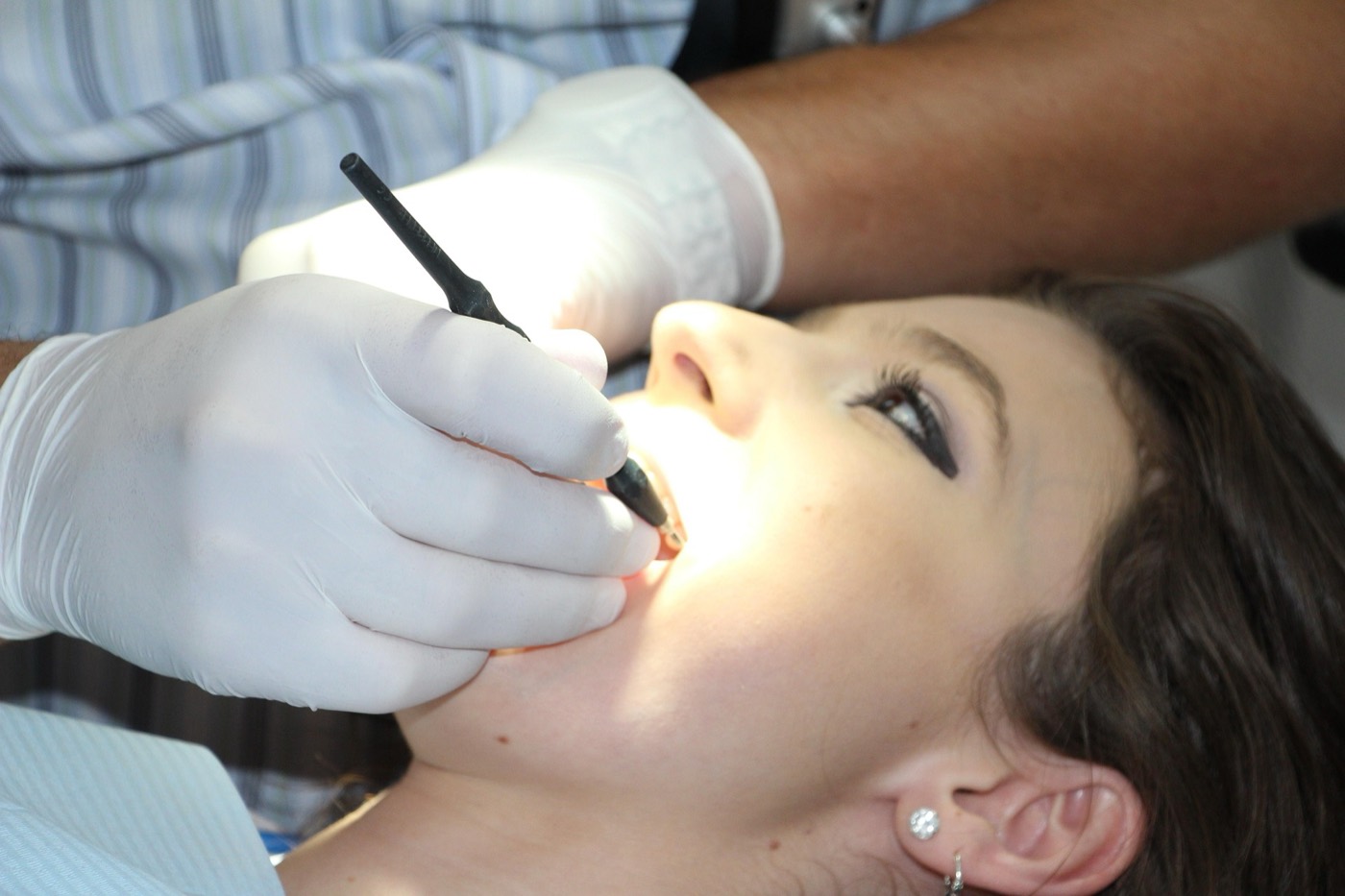
Why act early
A cavity caught early is treated simply, preserving as much healthy tissue as possible. Waiting risks nerve involvement and heavier treatment.
We always favour the most conservative approach: the less we remove, the stronger the tooth stays.
The process
Step 01
Clinical and radiographic exam to locate each cavity, assess its depth and choose the most conservative treatment.
Step 02
Slow injection and ultra-fine needles. The procedure is virtually painless, the care comfortable.
Step 03
Removing decayed tissue, disinfecting, then restoring with a white composite — invisible and strong — or a ceramic inlay.
Step 04
When the pulp is affected, endodontic treatment is done under a dam, with a rigorous disinfection protocol.
Step 05
A check-up verifies healing and material integration. Prevention remains our best weapon.
Benefits
Effective anaesthesia, slow injection, fine needles. Comfort is a medical priority.
White fillings blend in naturally. No more visible metal.
We preserve as much healthy tissue as possible. The less we remove, the stronger the tooth.
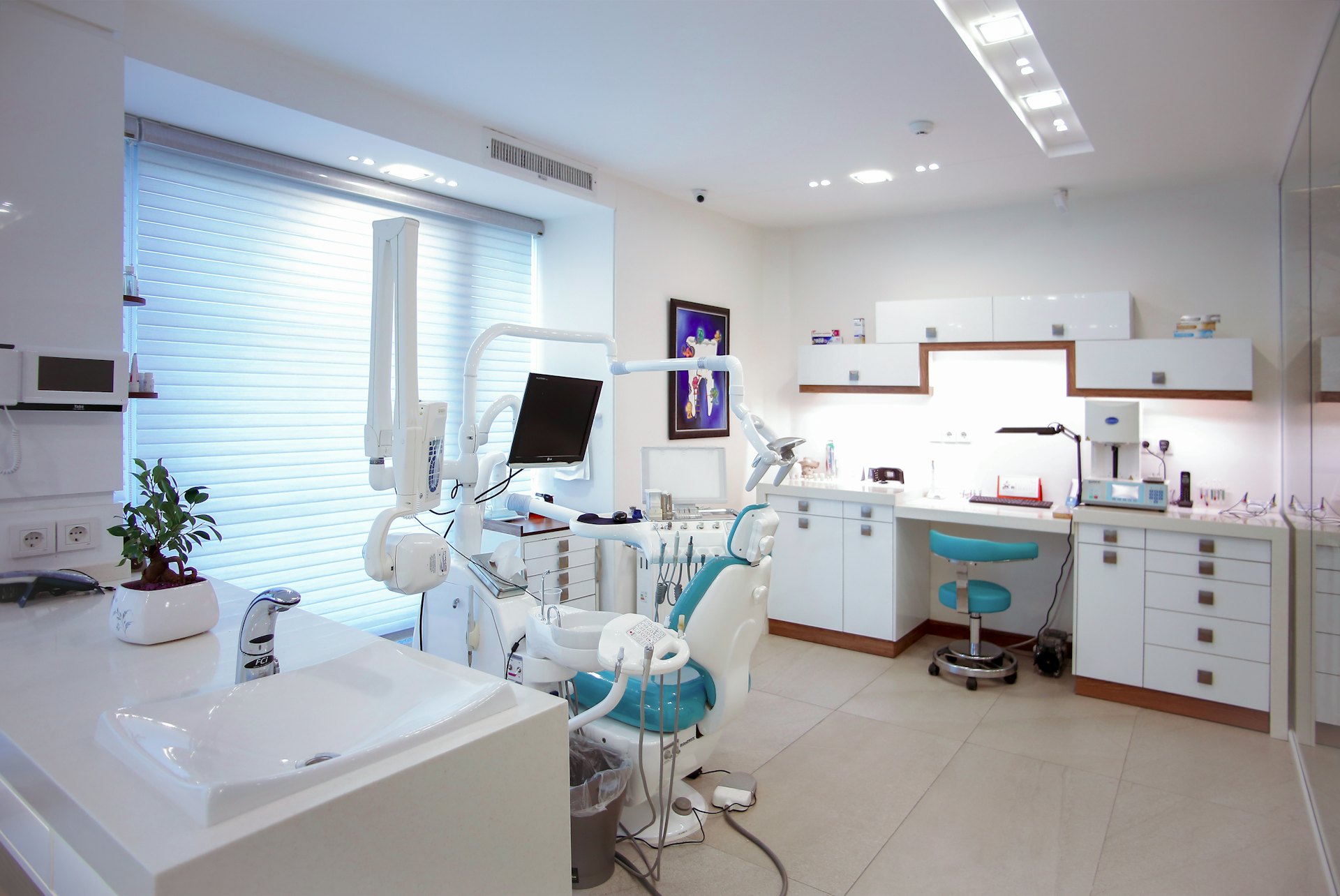
Comfort
Gentle anaesthesia techniques and precise movements: care is delivered calmly, at your pace.
No, thanks to local anaesthesia. The injection is virtually painless. After care, mild sensitivity may last a few hours.
A well-made composite filling lasts 8 to 15 years, depending on the cavity, material and your hygiene.
It is the removal of the nerve of an infected tooth. The tooth is kept, made insensitive, then restored. It is not painful.
A check-up every 6 to 12 months detects cavities early, when treatment is simpler and less invasive.
A small issue? Better to treat it early. Book online in one minute.